Updated: July 2026
What is the Best Time to Visit Moyo Island, Sumbawa?
- Skies are consistently clear, and sea visibility often exceeds 30 meters for world-class diving.
- Trekking paths to iconic waterfalls like Mata Jitu are dry and easily accessible.
- Humidity is at its lowest, with comfortable average air temperatures around 27°C (81°F).
The air is thick with the scent of salt and dry earth, a fragrance unique to the Lesser Sunda Islands. From the teak deck of the phinisi, the island emerges from the Flores Sea not as a single green monolith, but as a complex of savannah, monsoon forest, and jagged coastline. A pair of white-bellied sea eagles circles high above the caldera. This is the arrival. The immediate, sensory immersion into an environment that remains one of Indonesia’s most protected and intentionally secluded domains. The question isn’t whether to come, but when to orchestrate your journey for the most profound experience. The allure of a Moyo Sumbawa private tour is precisely this: timing your arrival to unlock the island’s most spectacular secrets.
Decoding Moyo’s Tropical Calendar: Dry Season vs. Wet Season
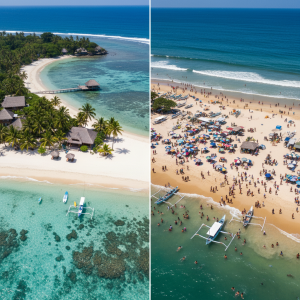
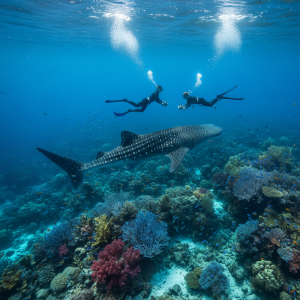
Unlike the four-season rhythm many travelers are accustomed to, Moyo Island operates on a distinct tropical duology: the dry season and the wet season. Understanding the nuances between these two periods is the foundational step in planning the perfect expedition. The prevailing wisdom, and for good reason, points to the dry season, which typically runs from May to October, as the optimal window. During these months, the southeast monsoon winds bring arid air from the Australian continent, resulting in an average monthly rainfall of less than 60 millimeters. This translates to day after day of brilliant sunshine, low humidity, and placid, turquoise seas. For activities like diving, snorkeling, and open-water crossings, these conditions are non-negotiable. Visibility underwater can reach a crystalline 30-40 meters, revealing the full vibrant life of the coral gardens that ring the island. The trails into the island’s interior, leading to its celebrated waterfalls, are firm underfoot, making for comfortable and safe trekking. This is the Moyo of postcards, the island at its most accessible and classically beautiful. The wet season, from November to April, presents a starkly different, yet compelling, character. The northwest monsoon brings moisture-laden air, culminating in short, intense, and often dramatic afternoon downpours. Monthly rainfall can exceed 300 millimeters, particularly in January and February. The landscape transforms into a riot of emerald green, the waterfalls swell to a thunderous crescendo, and a profound sense of solitude descends upon the island. This “green season” is not without its challenges—sea crossings can be choppy, and some coastal activities might be postponed—but for the discerning traveler, it offers a more atmospheric, introspective encounter with the island’s wild heart.
The Peak of Perfection: May to August
For the traveler seeking the quintessential Moyo Island experience, the months of May through August represent the absolute zenith. This period is the heart of the dry season, a time when the island’s natural elements align to create a near-perfect equilibrium for exploration and relaxation. The sun holds court in cobalt-blue skies for up to 10 hours a day, the sea is at its most serene, and a gentle breeze provides a natural respite from the tropical warmth. This is the time to fully leverage the island’s 350-square-kilometer expanse. Marine activities are . A day spent exploring the coral walls off Angel Reef or the vibrant gardens of Tanjung Pasir reveals an aquatic theater of reef sharks, sea turtles, and vast schools of pelagic fish. The water temperature hovers at a welcoming 28-29°C (82-84°F), and the placid surface makes for effortless snorkeling directly from your private charter. On land, the conditions are equally ideal. The iconic trek to Mata Jitu waterfall, famously sought out by Princess Diana in 1993, is a must. The journey through the forest is comfortable, and the reward is a series of terraced limestone travertine pools, each filled with impossibly clear, cool water. This window is also the most reliable for logistics; flights into Sumbawa Besar (SWQ) are unaffected by weather, and the 1.5-hour private boat transfer to Moyo is a smooth, scenic glide. For those commissioning a private yacht, this is the season our captains, with decades of experience navigating these waters, recommend for seamless passages from Bali or Lombok. Crafting the ultimate moyo sumbawa itinerary during these months is an exercise in pure possibility.
The Shoulder Season Advantage: September, October, and April
While the peak months offer undeniable perfection, the savvy traveler often looks to the shoulder seasons for a more nuanced and private experience. September and October, at the tail end of the dry season, are particularly rewarding. The weather remains overwhelmingly dry and sunny, but the surge of European summer holiday visitors has subsided. The island exhales, returning to an even deeper state of tranquility. The landscape is a touch drier, taking on a golden hue in the savannah grasslands, which provides a beautiful contrast to the azure sea. This is an exceptional time for birdwatching; the Moyo Island Hunting Park, a 22,537-hectare reserve, is alive with activity. Our specialist guides point out the yellow-headed parrot and the rare megapode bird, whose calls echo through the forest canopy. Conversely, April marks the transition from wet to dry. It is a month of dramatic beauty. The island is at its most verdant, saturated with the life-giving rains of the preceding months. The waterfalls, including the powerful Diwu Mbai, are at their most voluminous and spectacular. While you might encounter an occasional, fleeting shower, the rains have largely abated, and the sun is reasserting its dominance. For photographers, April is a gift, offering incredible color saturation and dynamic, cloud-streaked skies. According to Indonesia’s official tourism portal, indonesia.travel, these transitional months often present the best of both worlds across the archipelago. For our clients, this can translate to greater flexibility in charter schedules and a sense of having this pristine wilderness almost entirely to oneself.
Green Season: A Different Kind of Luxury (November – March)
To dismiss the wet season, or “green season,” would be to overlook an entirely different facet of Moyo’s character. From November through March, the island offers a form of luxury measured not in uninterrupted sunshine, but in profound solitude and raw, natural drama. This is a time for the contemplative traveler, the artist, or the naturalist who finds beauty in the untamed. The daily rhythm is punctuated by a tropical downpour, usually arriving in the mid-afternoon. It is not a persistent drizzle but a theatrical event—a sudden cooling of the air, a darkening of the sky, and then a warm, cleansing deluge that lasts for an hour or two before the sun reappears. The scent of petrichor, the smell of rain on dry earth, is intoxicating. The forest becomes a symphony of drips and calls, and the island’s flora is at its most exuberant. While open-sea excursions and diving in exposed sites may be limited by surface chop, the waterfalls are transformed into roaring spectacles. Visiting Mata Jitu during this time is an experience of immense power. The limestone pools overflow, and the sound of the water is a visceral force. Exploring the main village of Labuan Aji offers a more intimate cultural connection, as the pace of life slows even further. This is not the season for a classic beach holiday, but for those who wish to witness the raw, regenerative power of the tropics from the comfort of a secluded villa or the salon of a sturdy yacht, it holds a unique and powerful allure. As noted by Wikipedia’s entry on the island, its diverse ecosystems thrive on this seasonal cycle.
Beyond Weather: Aligning Your Visit with Marine Life and Cultural Rhythms
A truly sophisticated travel plan considers more than just meteorology. The best time to visit Moyo Island can also be defined by the natural and cultural calendars that govern life here. The marine ecosystem, part of the Coral Triangle, pulses with its own rhythms. While reef sharks, turtles, and moray eels are year-round residents of sites like Medang Wall, the congregation of certain pelagic species can be seasonal. Manta rays, for example, are more frequently sighted at nearby cleaning stations during the transitional months of April-May and September-November, when plankton blooms are most concentrated. The entire region is part of the Wallacea, a globally significant zone of biodiversity that the Indonesian government, with support from UNESCO, is working to protect through initiatives like the new Moyo Satonda National Park. On land, Sumbawan culture offers its own spectacles. The most famous of these is Maen Jaran, or traditional horse racing, featuring child jockeys who ride with incredible skill and bravery. These races are a major social event and typically take place in the dry season after the harvest, from roughly June to August, in the larger towns on Sumbawa. Building a visit to Moyo around a day trip to witness this unique cultural event adds an unforgettable dimension to the journey. By weaving these elements into your schedule, a trip transforms from a simple vacation into a deeply immersive experience, creating a bespoke moyo sumbawa journey that resonates on multiple levels.
Quick FAQ: Your Moyo Island Timing Questions Answered
Q: What are the busiest months on Moyo Island?
A: July and August see the highest number of visitors, coinciding with the peak European holiday season and the driest weather. However, “busy” on Moyo is a highly relative term. With only one luxury resort and a limited number of private charters permitted, the island never experiences the crowds found in Bali or the Gilis. You are guaranteed a sense of exclusivity year-round.
Q: Can I dive during the rainy season?
A: Absolutely. Diving is a year-round activity at Moyo. Many of the premier dive sites are located in sheltered bays, protected from the prevailing winds. The primary difference is water visibility, which can decrease from a spectacular 30+ meters in the dry season to a still-very-good 15-20 meters during the wet season. Surface conditions can be choppier, but our experienced dive masters always select the calmest and safest sites for the day.
Q: How does the timing affect getting to the island?
A: During the peak dry season (June-September), demand for flights to Sumbawa Besar (SWQ) and private boat or seaplane charters is at its highest. We recommend booking all transport and accommodations at least 4-6 months in advance. In the wet season, while availability is greater, logistics can be affected by weather, with a higher chance of delays for sea crossings due to rough conditions.
Q: Is there a “bad” time to visit Moyo?
A: There is no “bad” time, only different times for different travelers. If your primary goal is uninterrupted sunbathing and calm-water snorkeling every day, then the peak wet season months of January and February might be disappointing. But for a writer seeking solitude, a naturalist fascinated by lush ecosystems, or a traveler looking for dramatic landscapes, these same months can be the absolute best time to visit Moyo Island.
Ultimately, the ideal time for your visit to Moyo is a personal calculation, weighing your desire for perfect weather against your appreciation for solitude and seasonal phenomena. The dry season from May to October offers the most reliable and versatile canvas upon which to paint your ideal holiday. The shoulder and green seasons provide alternative palettes for a more nuanced, atmospheric escape. Our role is to provide the deep, local knowledge to help you make that choice. To begin designing a private expedition that aligns perfectly with your vision, we invite you to contact our travel atelier and explore the possibilities of a bespoke moyo sumbawa experience.